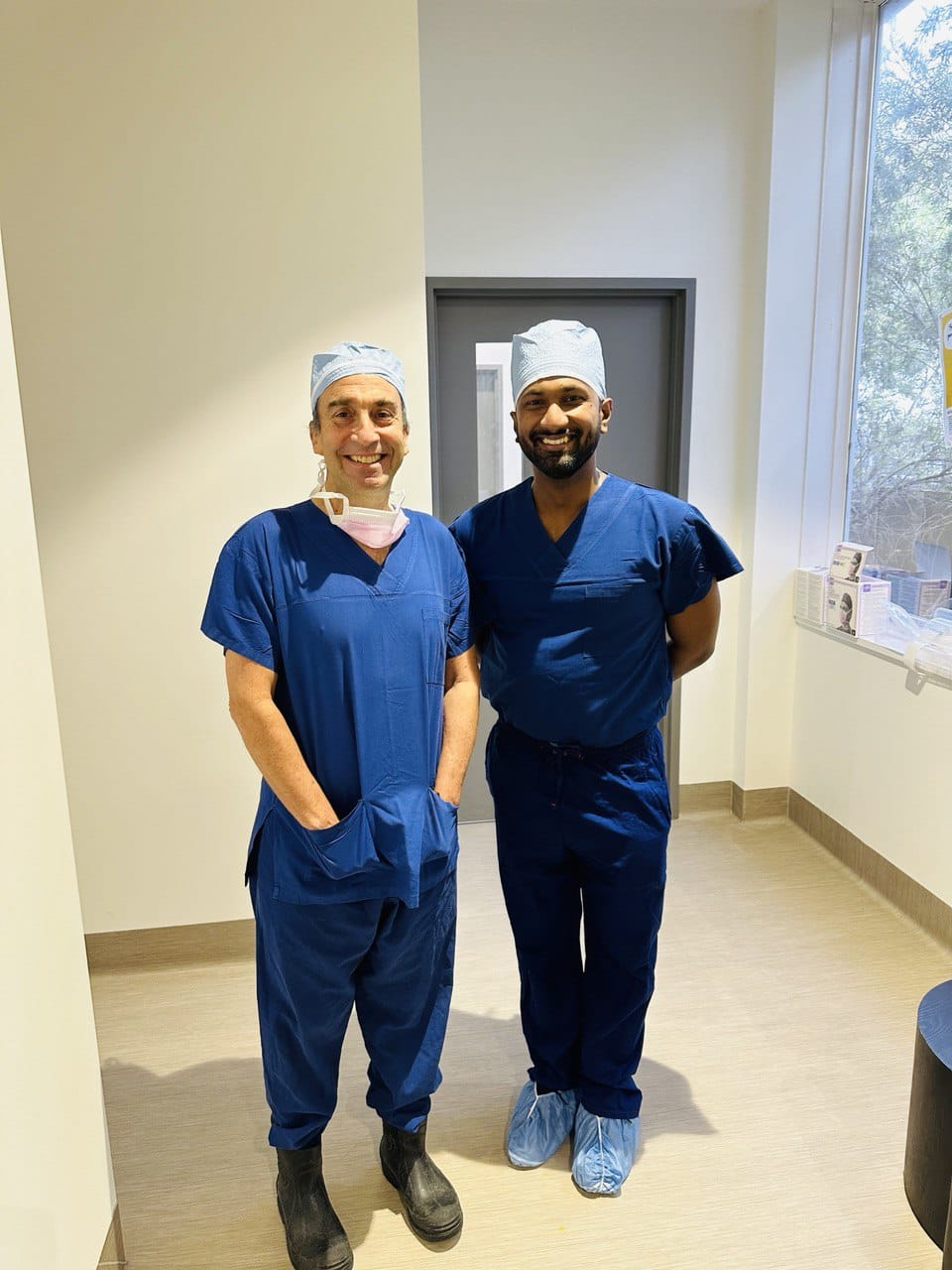
Dr. Ishan Shevate specializes in treating various shoulder conditions, including rotator cuff tears, shoulder dislocations, frozen shoulder, shoulder impingement, arthritis, and sports-related injuries.
You should consider seeing an orthopedic specialist if your shoulder pain persists for more than a few weeks, is severe, limits your range of motion, or if you experience symptoms like swelling, bruising, or numbness.
Shoulder arthroscopy is a minimally invasive surgical procedure used to diagnose and treat problems inside the shoulder joint. It is recommended for conditions like rotator cuff tears, shoulder instability, and labral tears when conservative treatments have not been effective.
Not necessarily. Dr. Shevate believes in a conservative approach first, which may include physical therapy, medications, and activity modification. Surgery is considered when non-surgical treatments do not relieve symptoms.
Recovery time can vary depending on the type of surgery and the individual patient. Typically, it takes about 4-6 weeks for initial recovery and 3-6 months for full rehabilitation with physiotherapy.
During your first consultation, Dr. Shevate will review your medical history, perform a physical examination, and may recommend imaging tests like X-rays or MRIs to understand your condition better. He will then discuss the treatment options.
Yes, physical therapy is often a crucial part of the treatment for shoulder pain. It helps improve strength, flexibility, and range of motion and can be effective in managing symptoms without surgery.
To prevent sports injuries, you should warm up properly before activities, wear appropriate protective gear, maintain good posture, and engage in exercises that strengthen muscles and improve flexibility.
As with any surgery, there are risks, such as infection, bleeding, stiffness, or nerve damage. Dr. Shevate will discuss these risks and take steps to minimize them during the procedure.