Shoulder pain is a common complaint among orthopedic patients, and one of the frequent culprits is shoulder impingement syndrome. This condition can cause discomfort, weakness, and limited arm movement. In this blog, we will explore what shoulder impingement syndrome is, its causes, symptoms, diagnosis, and the available treatment options, empowering patients with the knowledge they need to manage this condition effectively and find relief.
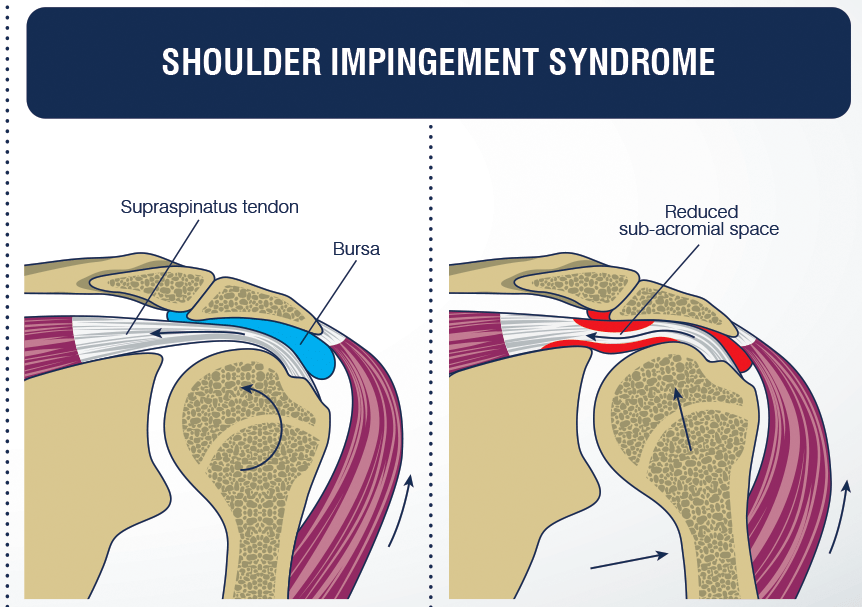
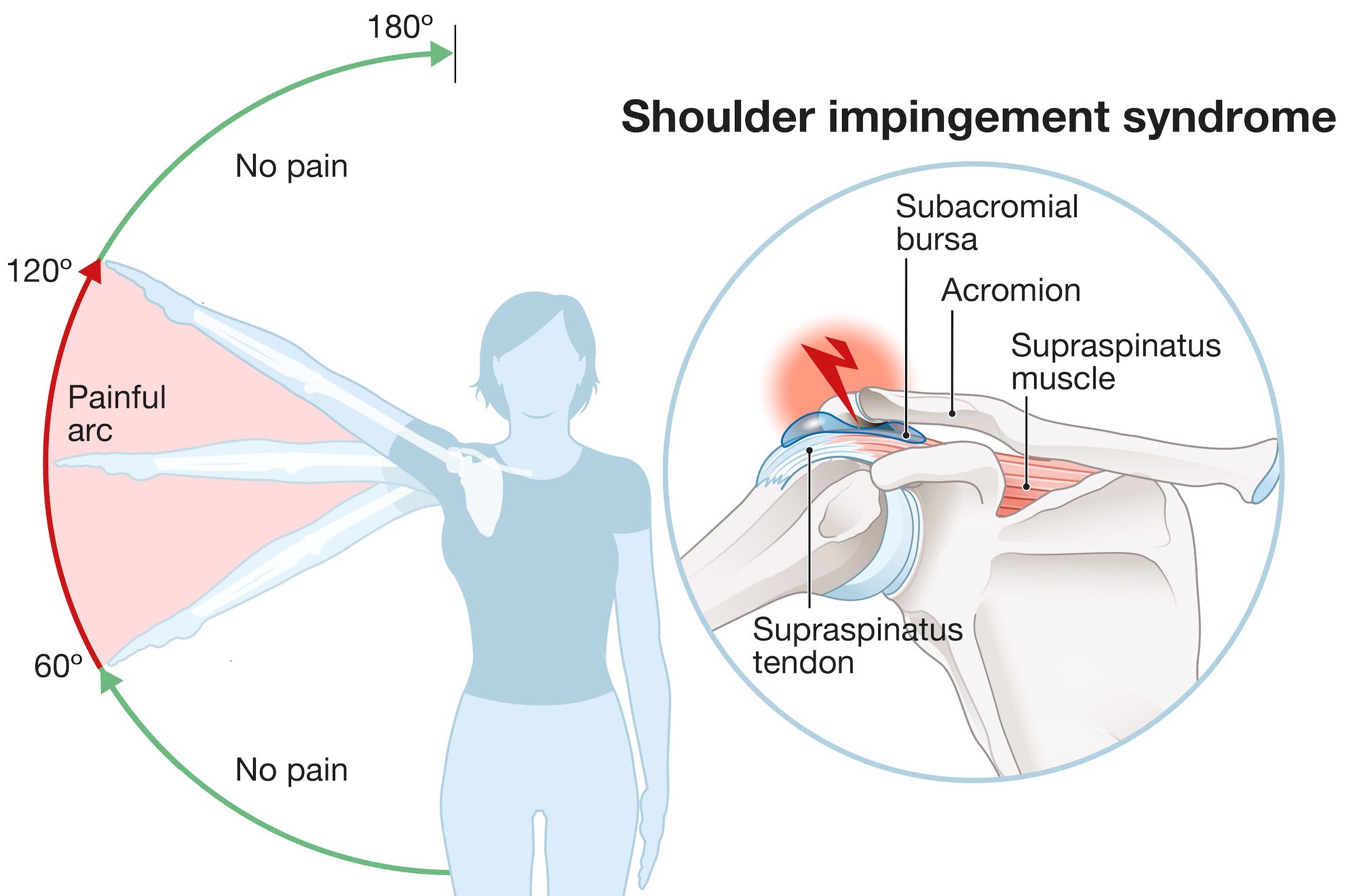
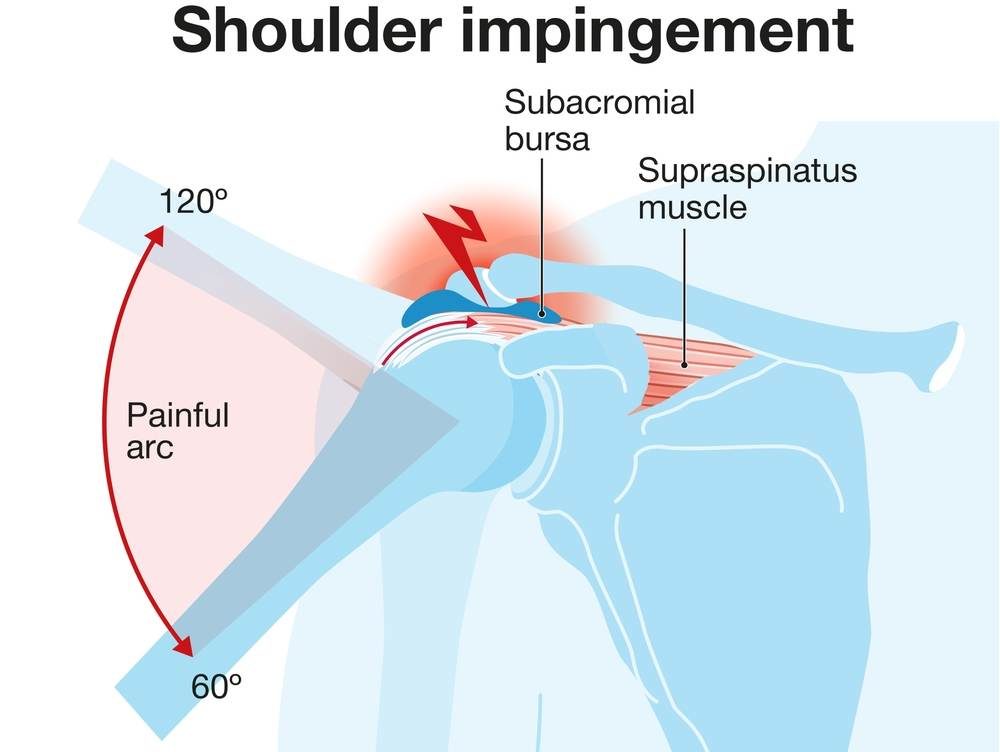
Understanding Shoulder Impingement Syndrome : Shoulder impingement syndrome occurs when the tendons of the rotator cuff and the bursa (a fluid-filled sac) become compressed or “pinched” between the shoulder blade (acromion) and the head of the upper arm bone (humerus). This repetitive impingement can lead to inflammation, pain, and, in severe cases, rotator cuff tears.
Causes of Shoulder Impingement Syndrome :
Shoulder impingement syndrome can be caused by various factors, including :
Overuse or Repetitive Movements : Activities involving overhead motions, such as painting, throwing, or swimming, can strain the shoulder and lead to impingement.
Muscle Imbalances : Weakness in certain shoulder muscles and tightness in others can alter shoulder mechanics and contribute to impingement.
Bone Spur : An abnormal bony growth on the acromion can reduce the space for shoulder movement, leading to impingement.
Symptoms :-
Orthopedic patients with shoulder impingement syndrome may experience the following symptoms :
Persistent shoulder pain, especially when raising the arm overhead or reaching behind the back.
Weakness and difficulty performing daily activities or carrying objects.
Limited range of motion and clicking or popping sensations in the shoulder.
Shoulder Impingement Syndrome F&Q's
Shoulder impingement syndrome occurs when the tendons or bursa in the shoulder become compressed or "impinged" during arm movements, causing pain and limiting range of motion. It commonly affects individuals who engage in repetitive overhead activities.
Mild cases can improve with rest, physical therapy, and avoiding aggravating activities. However, persistent symptoms may require more intensive treatment, including injections or surgery.
Recovery time varies. With conservative treatment, many people experience improvement within a few weeks to a few months. Post-surgical recovery may take longer, often several months.
While they are related, they are not the same. Rotator cuff tendonitis involves inflammation of the rotator cuff tendons, while shoulder impingement refers to the compression of those tendons or the bursa. Impingement can lead to rotator cuff tendonitis.
You should consult a healthcare professional if:
Shoulder pain persists for more than a few weeks despite rest.
You experience weakness or difficulty moving the shoulder.
There is a history of trauma, and the pain is severe.
Preventive measures include:
Strengthening shoulder and upper back muscles.
Maintaining good posture, especially during activities that involve the shoulders.
Avoiding repetitive overhead activities or taking breaks to reduce strain.
Using proper technique in sports and exercises.