Shoulder replacement

Shoulder Replacement

Shoulder replacement, or shoulder arthroplasty, is a surgical procedure where damaged parts of the shoulder joint are replaced with artificial components (prosthetics) to relieve pain and improve function. It is often recommended for patients with severe arthritis, fractures, or other conditions causing significant shoulder pain and disability.

Anatomy of the Shoulder Joint

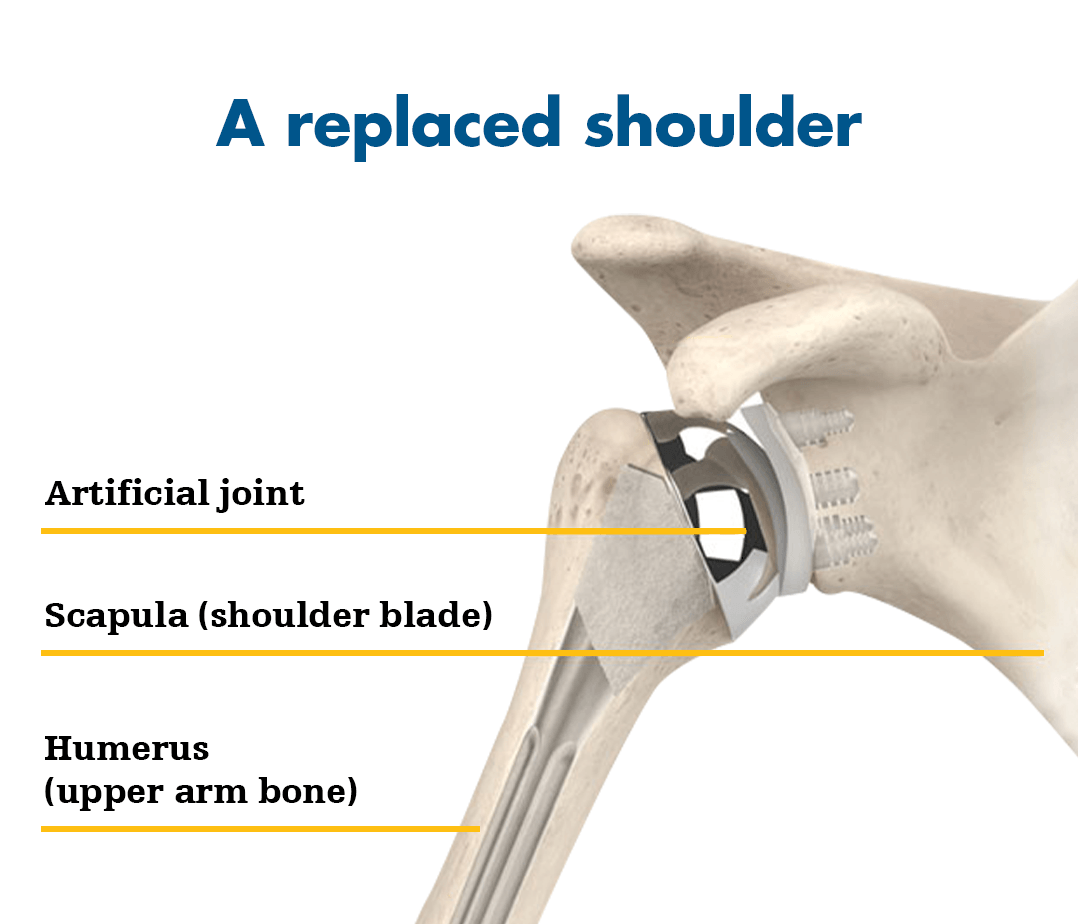
The shoulder is a ball-and-socket joint made up of three bones :

  1. Humerus : The upper arm bone.
  2. Scapula : The shoulder blade, which contains the socket (glenoid).
  3. Clavicle : The collarbone, though not directly involved in the ball-and-socket function.

The joint’s mobility and stability depend on the rotator cuff muscles and tendons, which help the arm move and keep the ball of the humerus centered in the socket.

Types of Shoulder Replacement

  1. Total Shoulder Replacement (Anatomic) : Replaces both the ball (humeral head) and socket (glenoid). The ball is replaced with a metal component, and the socket is lined with a plastic component.
  2. Partial Shoulder Replacement (Hemiarthroplasty) : Only the ball of the shoulder joint is replaced, typically in cases where the socket is healthy.
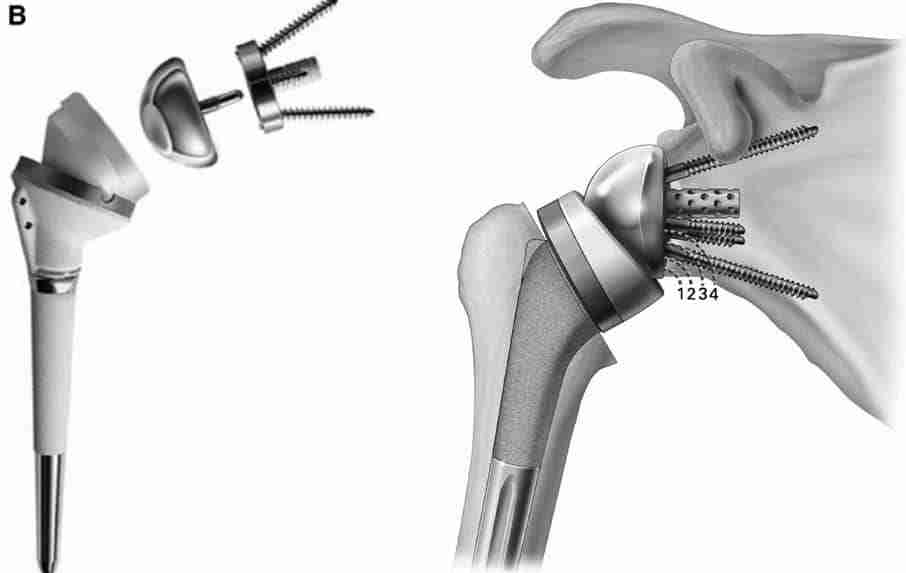
  3. Reverse Shoulder Replacement : The positions of the ball and socket are switched, with the ball attached to the shoulder blade and the socket to the upper arm. This is often used for patients with large rotator cuff tears or complex fractures.

Shoulder replacement F&Q's

Shoulder replacement is a surgical procedure in which damaged parts of the shoulder joint are replaced with artificial components, known as prosthetics. It aims to relieve pain and improve shoulder function, especially for individuals with arthritis, severe fractures, or other shoulder problems.

Candidates typically include people who : Have chronic shoulder pain that limits daily activities. Experience pain even while resting. Have tried non-surgical treatments (e.g., medication, physical therapy) without success. Suffer from conditions like osteoarthritis, rheumatoid arthritis, avascular necrosis, or complex shoulder fractures.

There are three main types: Total Shoulder Replacement: Replaces both the ball (humeral head) and socket (glenoid). Partial Shoulder Replacement (Hemiarthroplasty): Only the ball of the joint is replaced. Reverse Shoulder Replacement: Used when rotator cuff muscles are severely damaged, reversing the normal structure of the joint to improve function.

The procedure usually takes about 1.5 to 3 hours, depending on the complexity. This includes time for anesthesia, the surgery itself, and initial post-operative care in the operating room

Recovery typically spans 3 to 6 months. The first 6 weeks involve wearing a sling and gradually increasing shoulder movements. Physical therapy starts soon after surgery and continues for several months to regain strength and range of motion.

Modern shoulder replacements can last 15 to 20 years or more. The longevity of the implant depends on factors like activity level, proper rehabilitation, and avoiding high-impact activities.

casamontoya.com.mx