Shoulder health is crucial for maintaining an active and pain-free lifestyle. Scapula dyskinesia, also known as scapular winging, is a condition that affects the shoulder blade’s movement and can lead to discomfort and limited arm function. In this blog, we will explore what scapula dyskinesia is, its causes, symptoms, diagnosis, and the available treatment options, empowering orthopedic patients with the knowledge they need to address this issue and work towards a successful recovery.
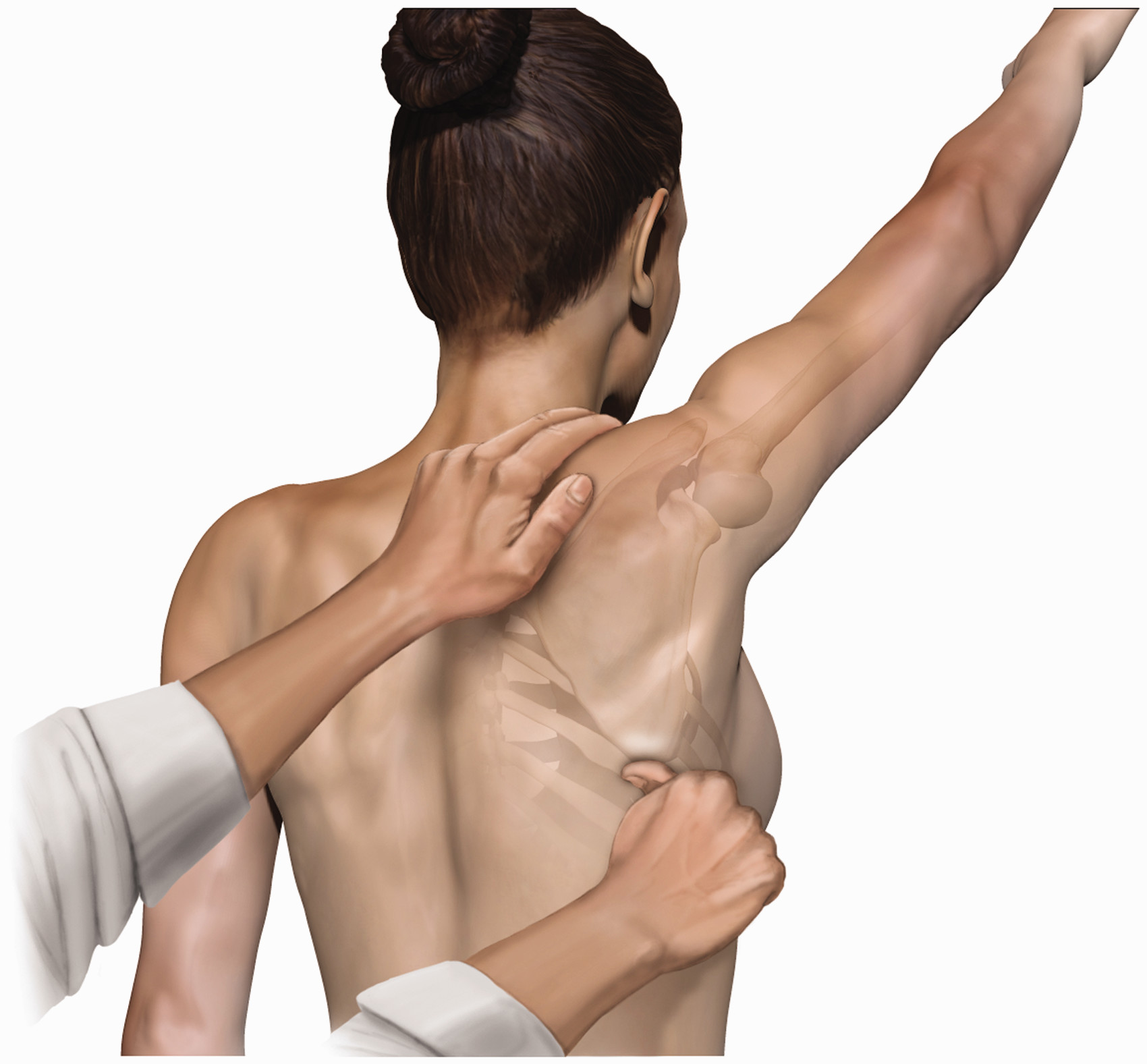
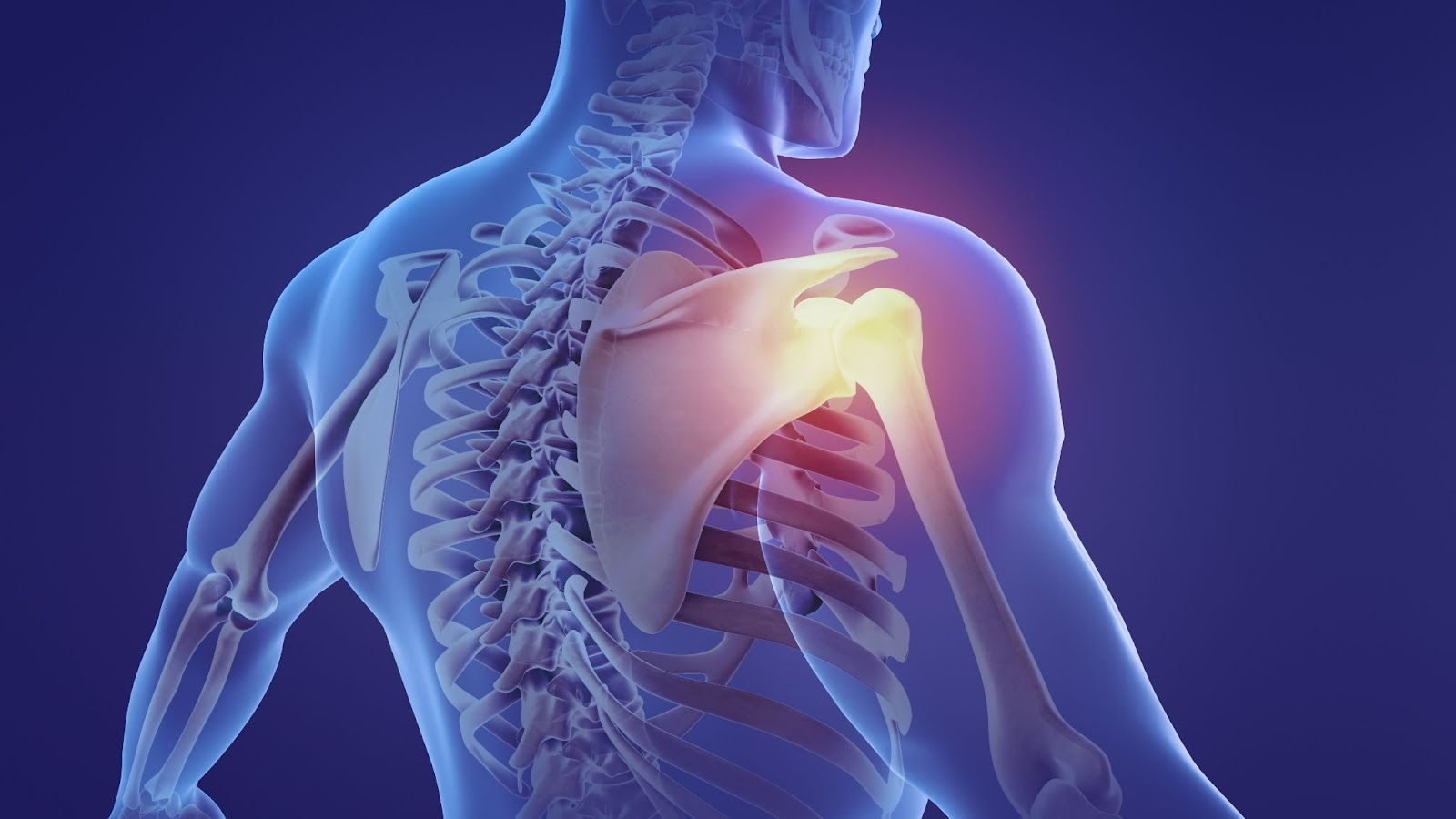
Understanding Scapula Dyskinesia : The scapula, or shoulder blade, is a flat, triangular bone located on the upper back. Scapula dyskinesia occurs when the scapula does not move and position correctly during shoulder movements. This misalignment can disrupt the shoulder’s stability, leading to pain, weakness, and reduced range of motion.
Causes of Scapula Dyskinesia :-
Scapula dyskinesia can be caused by various factors, including :-
Muscle Imbalance : Weakness or tightness in certain muscles around the shoulder can affect scapula movement.
Nerve or Muscle Injury : Damage to the nerves or muscles controlling scapular motion can lead to dyskinesia.
Poor Posture : Maintaining poor posture over time can contribute to scapular alignment issues.
Symptoms :
Orthopedic patients with scapula dyskinesia may experience the following symptoms :
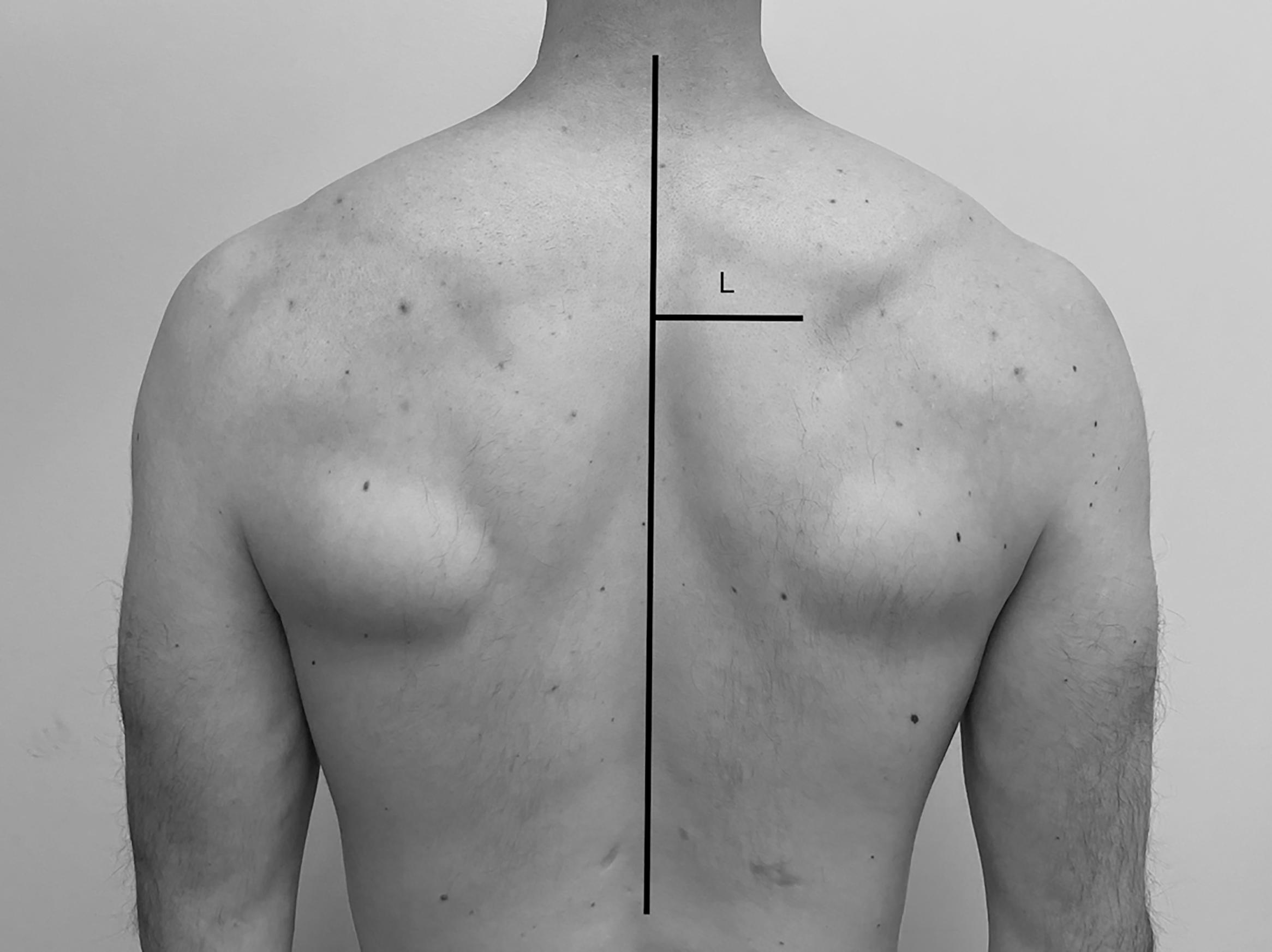
Visible protrusion or “winging” of the scapula when lifting the arm.
Pain and discomfort in the shoulder and upper back area.
Weakness and instability when performing activities that involve arm movements.
Scapula Dyskinesia F&Q's
Scapula dyskinesia refers to abnormal movement or positioning of the shoulder blade (scapula) in relation to the ribcage. It can lead to shoulder pain, discomfort, and limited function due to improper alignment or movement of the scapula during shoulder motion.
Yes, scapula dyskinesia is often treatable with a comprehensive rehabilitation program focused on strengthening, mobility, and posture correction. Early intervention and consistent physical therapy can lead to significant improvement.
Recovery time varies based on the severity of the condition and adherence to the treatment plan. With consistent physical therapy, improvements can be seen in a few weeks to a few months.
Yes, if left untreated, it can contribute to other shoulder issues, such as rotator cuff injuries, impingement syndrome, or labral tears due to abnormal shoulder mechanics.
Effective exercises may include:
Scapular Retractions: Strengthening the muscles that pull the scapula back.
Serratus Anterior Activation: Exercises like wall slides or scapular push-ups.
Postural Training: Improving overall posture to support proper scapular movement.
Consult a healthcare professional if:
Shoulder pain persists for more than a few weeks.
There is noticeable scapular "winging" or abnormal movement.
Shoulder weakness interferes with daily activities.
You experience a history of shoulder injuries or trauma.