


Understanding Shoulder Pain: Common Treatments and When to See an Orthopedic Specialist
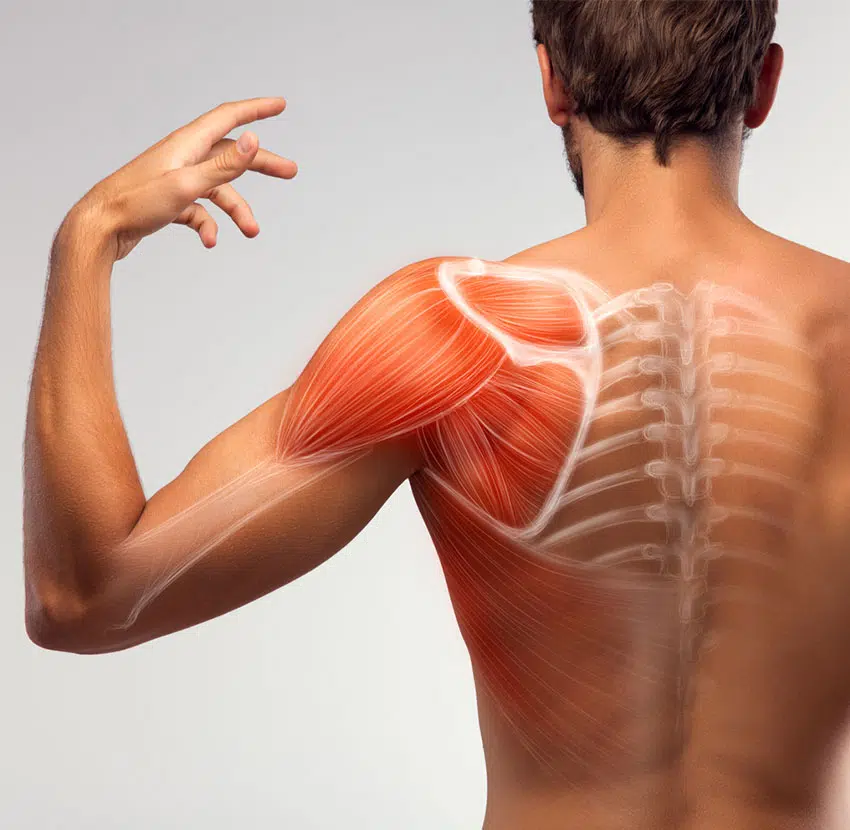
Shoulder arthritis is a condition that affects the smooth cartilage covering the surfaces of the bones in the shoulder joint, leading to pain, stiffness, and decreased range of motion. As a common cause of shoulder pain, it can affect daily activities and quality of life. In this blog, Dr. Ishan Shevate, a leading orthopedic doctor and shoulder specialist in Baner, Pune, shares his insights on the symptoms, treatment options, and management strategies for shoulder arthritis.
What is Shoulder Arthritis?
Arthritis is a condition characterized by inflammation of the joints, and when it affects the shoulder, it can involve one or both of the primary joints:
- Glenohumeral Joint: This is the ball-and-socket joint where the head of the upper arm bone (humerus) fits into the shallow socket of the shoulder blade.
- Acromioclavicular (AC) Joint: This joint is located where the collarbone meets the shoulder blade.
There are different types of arthritis that can affect the shoulder:
- Osteoarthritis: The most common type, often referred to as “wear and tear” arthritis, which involves the gradual degeneration of cartilage.
- Rheumatoid Arthritis: An autoimmune condition in which the body’s immune system attacks the joint lining, causing inflammation and damage.
- Post-Traumatic Arthritis: Arthritis that develops after an injury, such as a fracture or shoulder dislocation.
- Rotator Cuff Arthropathy: This type occurs when there is a large, long-standing rotator cuff tear, leading to damage in the joint.
- Avascular Necrosis: A condition in which the blood supply to the bone is disrupted, causing the bone tissue to die and potentially leading to arthritis.
Common Symptoms of Shoulder Arthritis
Symptoms can vary depending on the type and severity of arthritis, but typical signs include:
- Pain in the Shoulder Joint: Pain can be localized to the front, back, or side of the shoulder and may worsen with activity.
- Stiffness: The shoulder may feel stiff, especially in the morning or after periods of inactivity.
- Reduced Range of Motion: There may be a noticeable decrease in the ability to move the shoulder, such as lifting the arm overhead.
- Grinding or Clicking Sensation: Some people experience a grinding or clicking sound when moving the shoulder.
- Swelling and Tenderness: The joint may appear swollen or tender to the touch, particularly in rheumatoid arthritis.
Diagnosing Shoulder Arthritis
To accurately diagnose shoulder arthritis, Dr. Shevate uses a combination of the following methods:
- Medical History: A detailed history of symptoms, lifestyle, and any previous injuries.
- Physical Examination: Assessment of shoulder movement, pain level, and joint stability.
- Imaging Studies: X-rays, MRI, or CT scans may be used to evaluate the extent of joint damage and rule out other conditions.
Non-Surgical Treatment Options
Dr. Shevate advocates for conservative management as the first line of treatment for shoulder arthritis. Non-surgical options can effectively alleviate symptoms and improve shoulder function:
- Lifestyle Modifications
- Avoiding activities that aggravate the pain, such as lifting heavy objects, can help reduce stress on the shoulder joint.
- Practicing good posture to prevent unnecessary strain on the shoulder.
- Physical Therapy
- Strengthening and stretching exercises tailored to improve shoulder flexibility and stability.
- Physical therapy can help maintain joint mobility and reduce pain over time.
- Medications
- Over-the-counter pain relievers, such as acetaminophen, or nonsteroidal anti-inflammatory drugs (NSAIDs) like ibuprofen can reduce pain and inflammation.
- Corticosteroid injections may be recommended for severe inflammation, providing temporary relief.
- Cold and Heat Therapy
- Applying ice packs can help manage swelling, while heat therapy can reduce stiffness and relax muscles.
- Activity Modification
- Using adaptive tools or techniques, such as ergonomic adjustments at work, to reduce the strain on the shoulder.
When is Surgery Needed?
When conservative treatments fail to relieve pain or if the arthritis has caused significant damage, surgical options may be considered. Dr. Shevate is skilled in various surgical techniques, including:
- Shoulder Arthroscopy
- This minimally invasive procedure involves inserting a small camera into the joint to remove loose cartilage, smooth the joint surfaces, or repair soft tissue.
- Joint Replacement Surgery
- For severe cases, total shoulder replacement or reverse shoulder replacement may be necessary. In these procedures, the damaged joint surfaces are replaced with artificial components to restore function and alleviate pain.
- Resection Arthroplasty
- In cases where the AC joint is affected, resection arthroplasty may be performed to remove a small portion of the collarbone, reducing pain and improving movement.
- Partial Shoulder Replacement
- This involves replacing only the ball of the shoulder joint while keeping the socket intact, suitable for certain types of arthritis.
Post-Surgical Rehabilitation
Following shoulder surgery, rehabilitation plays a crucial role in recovery:
- Physical Therapy Program: A structured rehabilitation program focuses on restoring strength, flexibility, and range of motion.
- Gradual Return to Activity: A step-by-step approach ensures that the shoulder heals completely before resuming regular activities.
- Pain Management: Post-operative pain is managed through medications and therapy to ensure a smooth recovery process.
Preventing Shoulder Arthritis
While arthritis may not always be preventable, there are steps that can help reduce the risk:
Treat Shoulder Injuries Promptly: Proper treatment of shoulder injuries can help prevent the development of post-traumatic arthritis.
Maintain a Healthy Weight: Excess weight can put additional stress on joints, including the shoulders.
Stay Active: Regular exercise helps maintain joint mobility and muscle strength.
Avoid Repetitive Shoulder Strain: If your daily activities involve repetitive overhead movements, take breaks to rest your shoulder.
