OVERVIEW
What is Frozen Shoulder?
Restore mobility and reduce pain with structured treatment plans and therapy.
Early clinical intervention like hydrodilatation or capsular release can drastically shorten the recovery duration from years to weeks.
COMMON SYMPTOMS
- Severe global stiffness in both active AND passive movements
- Severe deep shoulder aching, particularly intolerable during sleep
- Inability to reach high shelves, fasten clothes behind the back
- Gradual worsening of stiffness over several months
- Instant relief with targeted hydrodilatation
- Minimally invasive capsular release if stubborn
- Rapid functional rehab
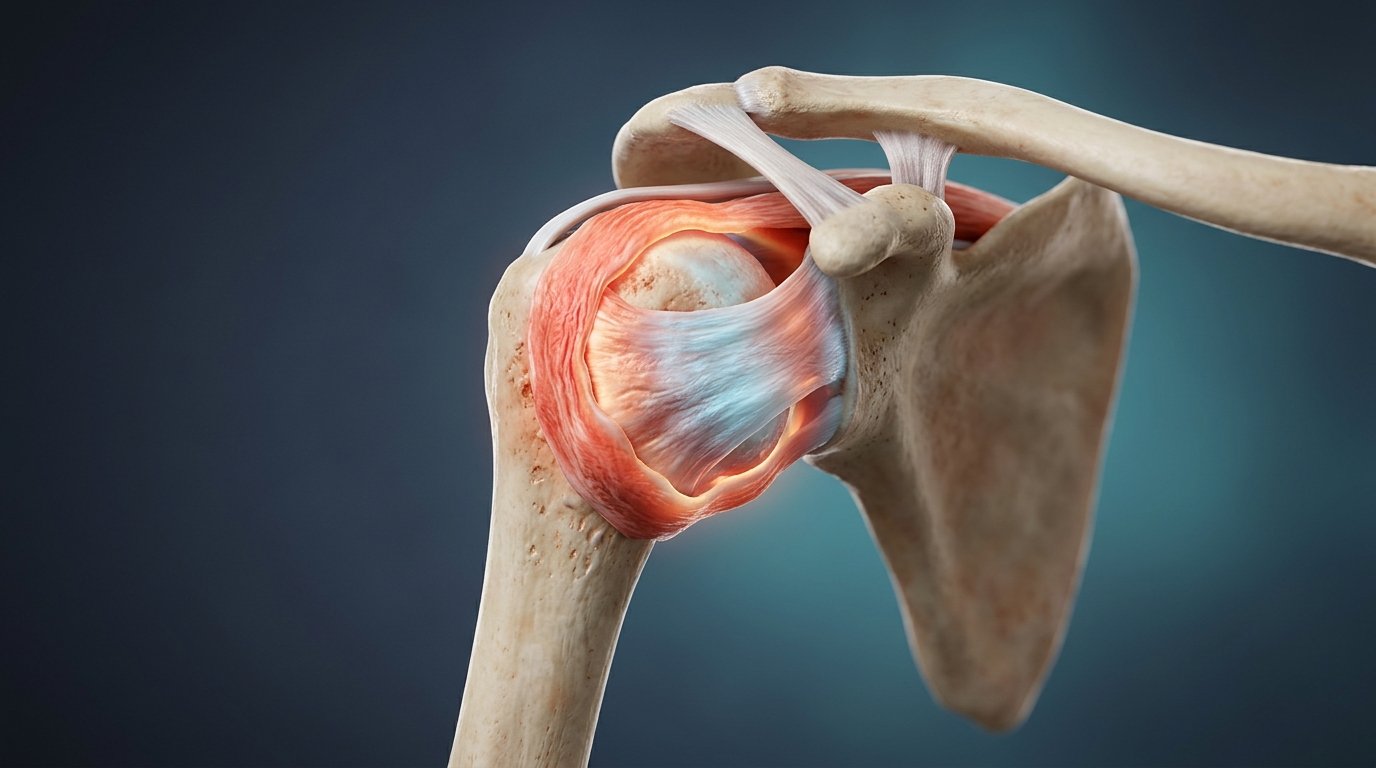
Restore Your Shoulder Mobility
Don't let joint stiffness lock your daily independence and sleep.

RECOVERY & RESULTS
What to Expect
Recovery focuses on maintaining joint expansion and preventing re-tightening through consistent daily mobilization.
Relief & Release
1–2 weeks
(Inflammation control & stretching)
Mobility Restoration
3–8 weeks
(Active range & overhead reach)
Full Daily Independence
2–4 months
(Painless rotation & strength)
FREQUENTLY ASKED QUESTIONS
FAQs
Here are some common questions about frozen shoulder and their treatment.
Have More Questions? →
How long does frozen shoulder typically last without treatment?
Without medical care, frozen shoulder can linger for 18 to 36 months through agonizing phases. With Dr. Ishan Shevate's specialized ultrasound hydrodilatation or keyhole release, significant relief and range recovery begin within weeks.
Why is frozen shoulder so common in diabetic patients?
Elevated blood glucose levels cause collagen glycosylation, making the shoulder capsule connective tissue cross-link, thicken, and stiffen much faster than in non-diabetic individuals.
Is arthroscopic capsular release painful?
No. The procedure is performed under modern regional nerve block and light sedation. Patients wake up with immediate freedom in shoulder rotation and minimal surgical discomfort.
Can frozen shoulder recur in the same joint?
Recurrence in the treated shoulder is exceedingly rare (<2%) when followed by disciplined daily mobilization and adherence to our clinic's post-treatment guidelines.
TAKE THE FIRST STEP
Book Your Consultation Today
Get expert advice and a personalized treatment plan for your shoulder condition.