OVERVIEW
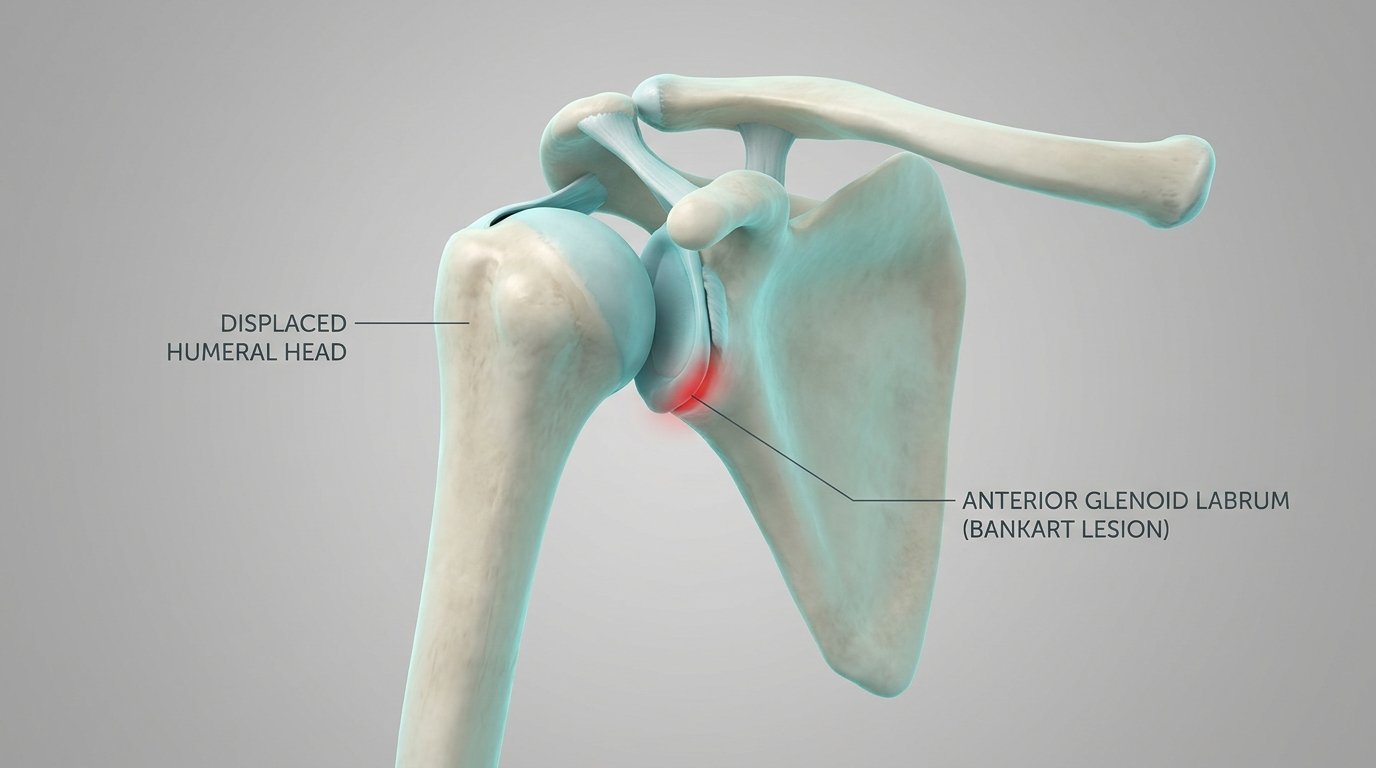
What is Shoulder Instability & Dislocation?
Restore stability and reduce pain with targeted therapy and advanced surgical techniques.
Prompt stabilization prevents recurrent dislocations, bone socket loss, and early degenerative cartilage damage.
COMMON SYMPTOMS
- Shoulder slipping out or feeling loose during overhead throwing or sleep
- Apprehension, muscle guarding, and fear of sudden joint collapse
- Sharp shooting pain and momentary dead-arm numbness after minor trauma
- Popping or clicking sensation with movement
- Over 95% stability restoration
- Preserves natural anatomy
- Fast recovery for athletes
Rebuild Joint Stability
Get back to contact sports and active life without fear of dislocation.
RECOVERY & RESULTS
What to Expect
Recovery progresses systematically from sling immobilization to biological tissue healing and sports agility.
Sling Protection
1–4 weeks
(Tissue healing & quiet rest)
Kinetic Strengthening
6–12 weeks
(Rotator cuff & stability drills)
Sports Return Clearance
4–6 months
(Full contact sports clearance)
FREQUENTLY ASKED QUESTIONS
FAQs
Here are some common questions about shoulder instability & dislocation and their treatment.
Have More Questions? →
Can shoulder instability heal on its own without surgery?
In active individuals under 30 years old, recurrent dislocation rate after a first tear exceeds 70–80% because torn labral tissue does not naturally heal back to bone without surgical re-fixation.
What is the difference between Bankart and Latarjet surgeries?
Bankart repair re-attaches the torn cartilage bumper via keyhole surgery. Latarjet is an open bone transfer procedure recommended when significant socket bone has chipped away or for high-demand contact rugby/cricket athletes.
How soon can I return to gym and weight training?
Guided light resistance begins around 8 to 12 weeks, with heavy overhead pressing and contact sports resumed by 5 to 6 months post-surgery.
What is the success rate of arthroscopic stabilization?
Modern all-suture anchor techniques provide over 90–95% joint stability and return-to-play rates when combined with disciplined post-op rehab.
TAKE THE FIRST STEP
Book Your Consultation Today
Get expert advice and a personalized treatment plan for your shoulder condition.